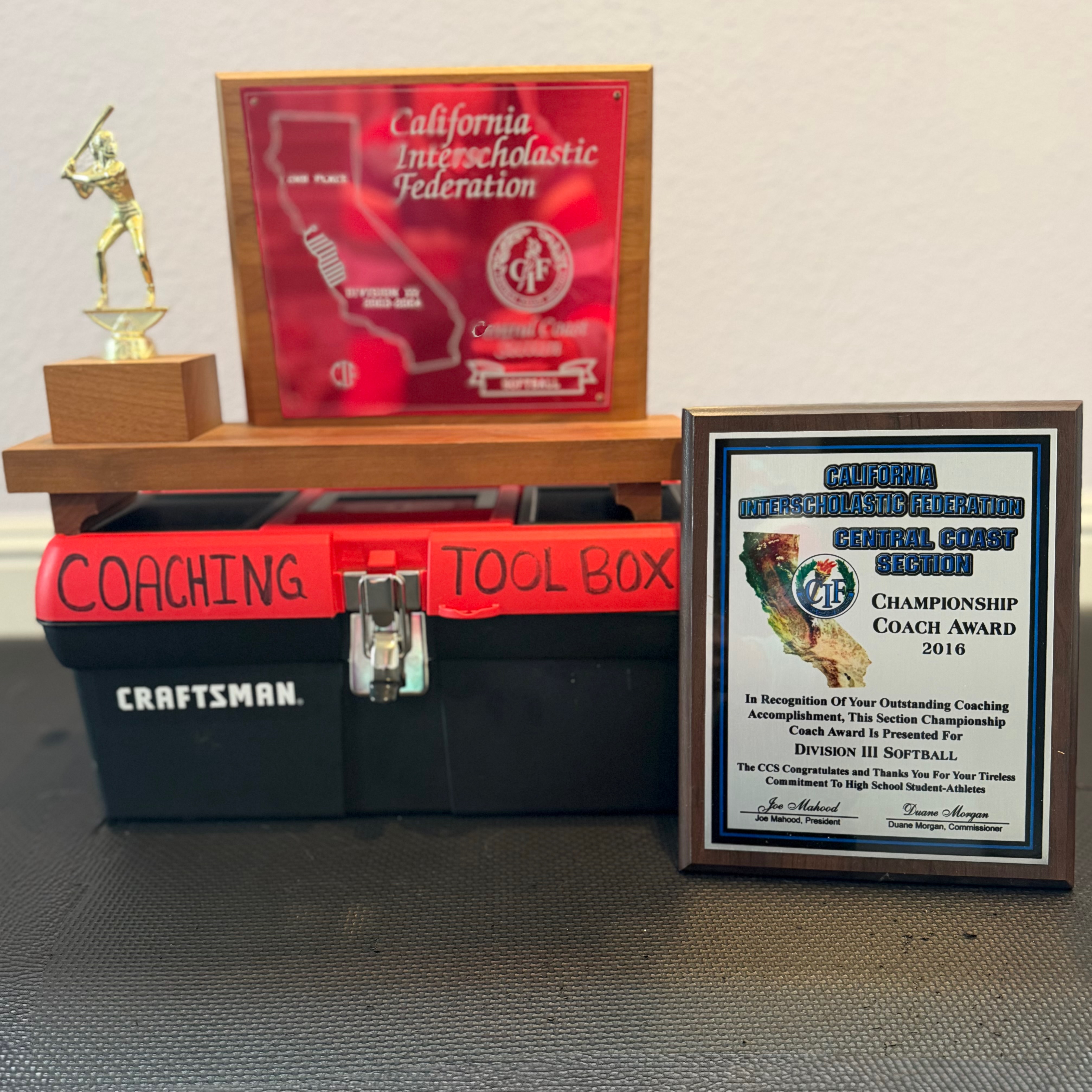
Traditionally, teams at every level celebrate the end of a season by recognizing individuals. Awards like Most Valuable Player, Most Improved, Leadership, or Team Spirit are common ways coaches highlight standout contributions. While each program may approach this differently, the underlying goal is usually the same: to honor players who made a meaningful impact.
And yet, in a team sport, individual awards can feel a bit contradictory.
All season long, we ask athletes to prioritize the team. To work together, support one another, and commit to a shared goal. Then, at the final celebration, the focus suddenly shifts to identifying the “best” individuals. While those recognized may feel proud and affirmed, others can walk away feeling overlooked or undervalued.
That tension is worth examining.
To Give Awards, or Not
Some schools and leagues have long-standing traditions around end-of-season awards, and in those cases, coaches may have limited flexibility. But if you’re building your own team culture, you have the opportunity to be intentional about how you celebrate.
There isn’t one right approach.
In my own coaching, I’ve done both. I’ve given traditional awards like MVP, and I’ve also chosen to forgo individual recognition altogether in favor of a team gift that honored everyone’s contribution. One season, after winning a championship, I only recognized the seniors, acknowledging the foundation they had built over their years in the program.
The key is to choose what best reflects your team’s experience and values. The way you celebrate should feel aligned with what your players have worked toward all season.
Align Awards with Your Values
If you’ve spent the season reinforcing specific team values, your awards should reflect them.
My teams focus on commitment, community, effort, and positivity. My coaching philosophy centers on empowering athletes to lead with confidence and positivity. These are the qualities we talk about every day after practices, after games, and in our team conversations.
So it wouldn’t make sense to suddenly define success by a single “Most Valuable Player.”
Instead, I choose to recognize athletes who embody our values. I often give leadership-based or character-driven awards that reflect how we define success as a team. And naming matters, too. When I coached at Immaculate Heart, I created a “Heart Award” to honor the player who best represented our team’s values and spirit.
When awards are aligned with your philosophy, they reinforce your message instead of contradicting it.
Set Expectations Early
One of the biggest sources of tension around awards is uncertainty.
In many team environments, individual awards are rarely discussed openly because of the emphasis on team culture. But the reality is players and parents know they’re coming. When expectations aren’t clear, it can lead to confusion, disappointment, or frustration on a night that’s meant to be celebratory.
Clarity changes everything.
At the beginning of the season, communicate what awards will be given and how recipients will be chosen. As the coach, you set the criteria, just be transparent about it. If a Leadership Award is tied to team captains, say that. If an MVP is based on statistics, explain that clearly and follow through consistently.
When people understand the process, there are fewer surprises and more space for genuine celebration.
Recognition with Intention
In all my years of coaching, I’ve never had an awards night where everyone left completely happy. That’s the reality of recognition in a group setting.
But I’ve also learned that many of those moments of tension could have been softened, or even avoided, with clearer communication and more intentional planning.
At the end of the season, the goal is simple: every player should feel seen, valued, and appreciated for their role on the team.
Recognition matters.
How we do it matters even more.