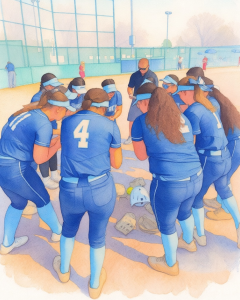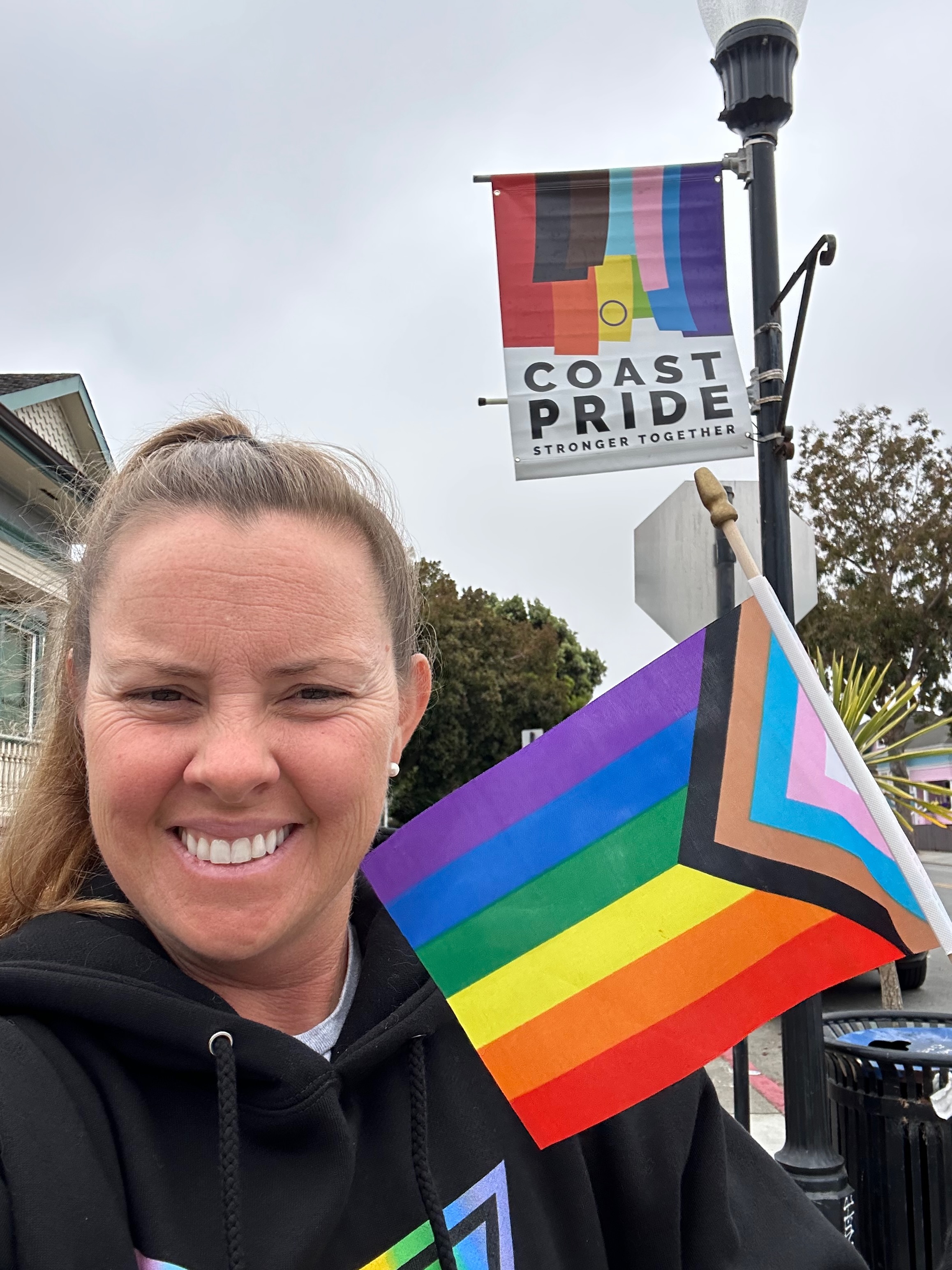
This Pride Month, I’ve been reflecting on how we can create safer, more inclusive spaces in sports for queer and gender-expansive youth athletes. Sports are for everyone, and every child who wants to play should have the opportunity to do so. Recent efforts across the country to restrict who gets to participate have been both painful and disheartening to watch. Inclusivity and diversity strengthen teams and communities. Here are four small but meaningful ways coaches, recreational leagues, and schools can support LGBTQIA+ athletes:
Signage
Many classrooms display “All Are Welcome Here” signs and Pride flags to signal they are safe spaces for queer students. That same message can extend to athletic spaces like gyms, fields, and weight rooms, by adding LGBTQIA+ welcome signs. Coaches and sports administrators shouldn’t leave their support for all athletes up to assumption. Clear signage sends a strong message about where the team, league, and school stand.
Diverse Coaches
Research shows that students who have at least one trusted adult outside of their family tend to have better mental health and overall well-being. For many youth athletes, that trusted adult is a coach, so that’s why it’s important to build a diverse coaching staff. Representation matters. When young athletes see coaches who identify as LGBTQIA+, it helps them feel safer, more supported, and more comfortable being their authentic selves.
Normalize Asking for Pronouns
At the first practice, coaches can model inclusivity by sharing their own pronouns and encouraging players to do the same. Adding a simple message like “All pronouns are welcome” to name tags reinforces that everyone belongs. Again, it’s important not to make assumptions, youth identities can evolve as they grow. Modeling pronoun use sends the powerful message that every athlete has the right to share who they are and bring their full authentic selves to the team.
Create Clear, Formal Processes for Reporting Concerns
For queer athletes to feel truly safe, there must be a clear process for reporting when something feels wrong. Trust is the foundation of emotional safety, and it starts with coaches, parents, and league officials believing and validating young people when they speak up. At the start of the season, coaches should clearly explain how players and families can raise concerns. When athletes know who to turn to if they feel uncomfortable, that trust becomes the baseline for a healthy team environment.
Sports have always been a force for social change, and that continues today. I hope athletes, parents, coaches, administrators, and officials will keep working together to make the world more inclusive, one where queer and gender-expansive youth are supported, celebrated, and encouraged to play.
Happy Pride, everyone!