
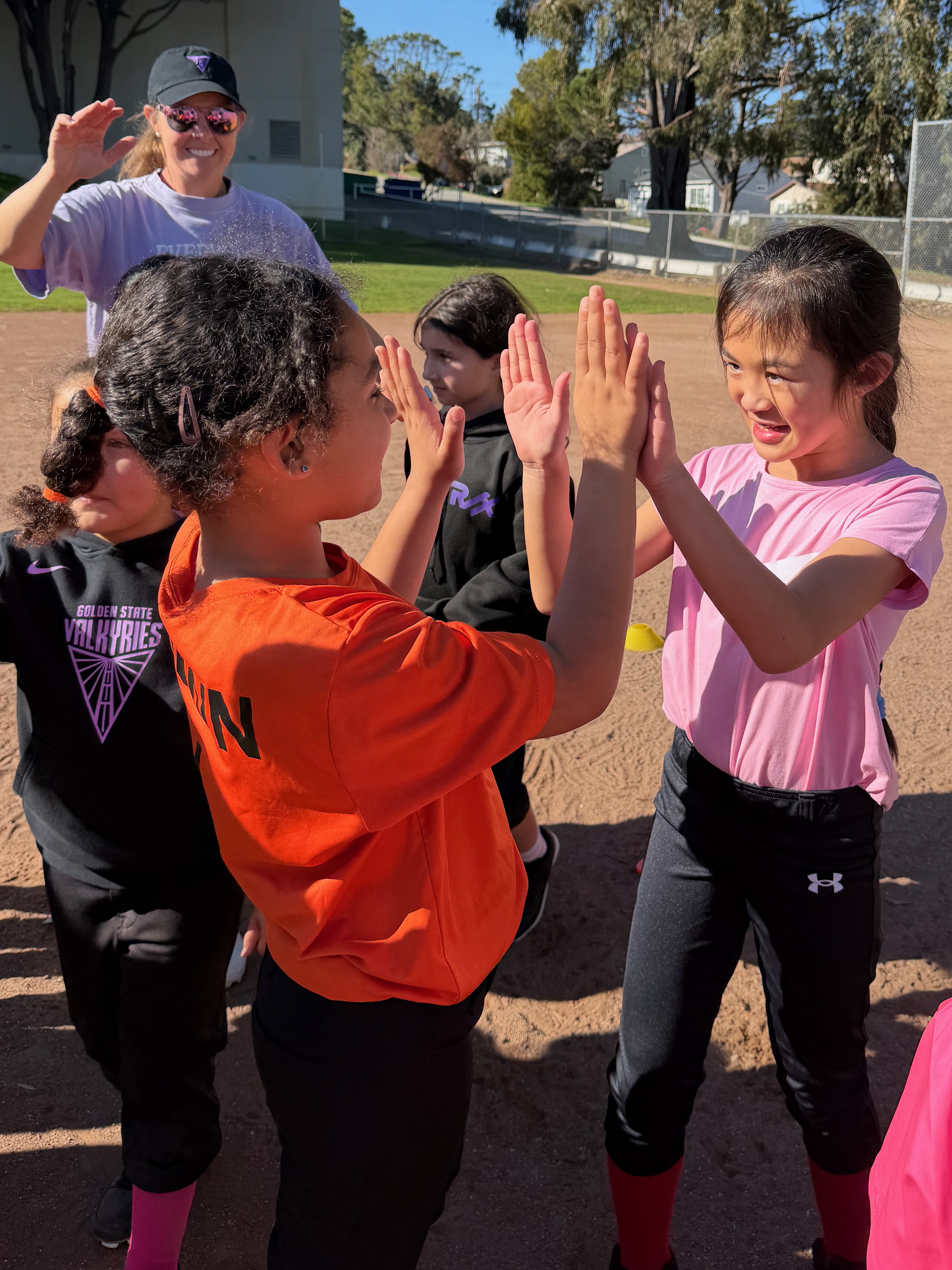
Communication is central to team sports, and yet, it is one of the hardest things for youth coaches to convince their players to do during practices and games. No matter how many times a coach says, “Talk to each other!” or “Where is the play?” getting players to make some noise and connect with each other can be a challenge. I have definitely been in that situation as a coach! Over time, I have learned that simply telling players to communicate isn’t always enough. We need to teach them what communication looks like and give them strategies to make it a habit. Here are three strategies I use to encourage my players to talk and make communication part of our team culture.
1. Define What Talking Looks Like
Start by having a conversation with your team about your communication expectations. Talking to teammates during a game or practice is about more than cheering. It is about connecting, sharing information, and making sure everyone is on the same page. Players need to understand how using their voices helps the team work together.
These are lessons coaches can teach, model, and reinforce throughout the season. Point out examples of effective communication when you see them, and help players recognize how talking to one another can build trust, increase confidence, and make everyone feel more connected to the team.
2. Give Them a Strategy
Coaches can remind their players to talk constantly, but what does that actually mean? For some kids, simply shouting into the air during a game doesn’t make sense. They need a more specific direction.
Give players people to talk to! Instruct them to communicate with at least two teammates before every play. For example, they can talk to someone next to them and someone behind them. You can also encourage players to come together in a quick team huddle at specific times during the game to share information, offer encouragement, or clarify the plan.
I love this strategy because it gives players a clear purpose. They know exactly who to turn to and when to communicate. It also reinforces an important message: We don’t want anyone to feel alone when they are playing. When players intentionally connect with their teammates, everyone has an opportunity to feel included and supported.
Make sure you practice this during practice! Build communication into your drills and activities so players have opportunities to develop the habit before they get into a game. The more they practice communicating, the more natural it becomes.
3. Involve the Bench
A great way to keep players who are waiting their turn on the bench involved is to make them the talking captains. Challenge your bench players to be the loudest voices supporting their teammates during the game. They can call out encouragement, recognize good communication on the field or court, and help keep the team’s energy up.
I love this strategy because everyone will spend some time on the bench, and this makes communication a shared responsibility. Players learn that contributing to the team is about more than what happens when they are in the game. They can lead, encourage, and support their teammates from the bench, too.
At the end of the game, acknowledge the talking captains and the bench’s efforts to communicate. When we recognize and celebrate these behaviors, we reinforce the message that communication is a team value, not just something we expect from the players who are actively competing.
Communication Builds Connected Teams
Talking does more than help players share information. It builds connection, increases energy, and reminds teammates that they are in it together. Energy can play an important role in shifting the momentum of a game, and communication is one way players can create that energy for themselves and their teammates.
So, the next time you find yourself reminding your players to “talk more,” try giving them a specific strategy instead. Teach them what communication looks like, create opportunities to practice it, and celebrate when they put it into action.
Add this to your coaching toolbox! Connected teams communicate, and communication is a skill we can teach.



One Response
This is excellent coaching talking about a level
of team communication that makes a difference. I’ve seen it be the winning difference in competitive games that are close. Teams rally step up with it. Great coaching here!