At a recent coaches’ workshop, a coach asked me how to handle a crying player whose feelings had been hurt. I gave a brief answer in the moment about how a coach can help manage big emotions, but the question stayed with me. It immediately reminded me of Dr. Lisa Damour’s glitter jar metaphor.
Dr. Damour is a leading child and adolescent psychologist and a trusted voice for supporting young people and the adults who care for them. In her book Under Pressure, she uses the glitter jar to explain what happens when emotions run high.
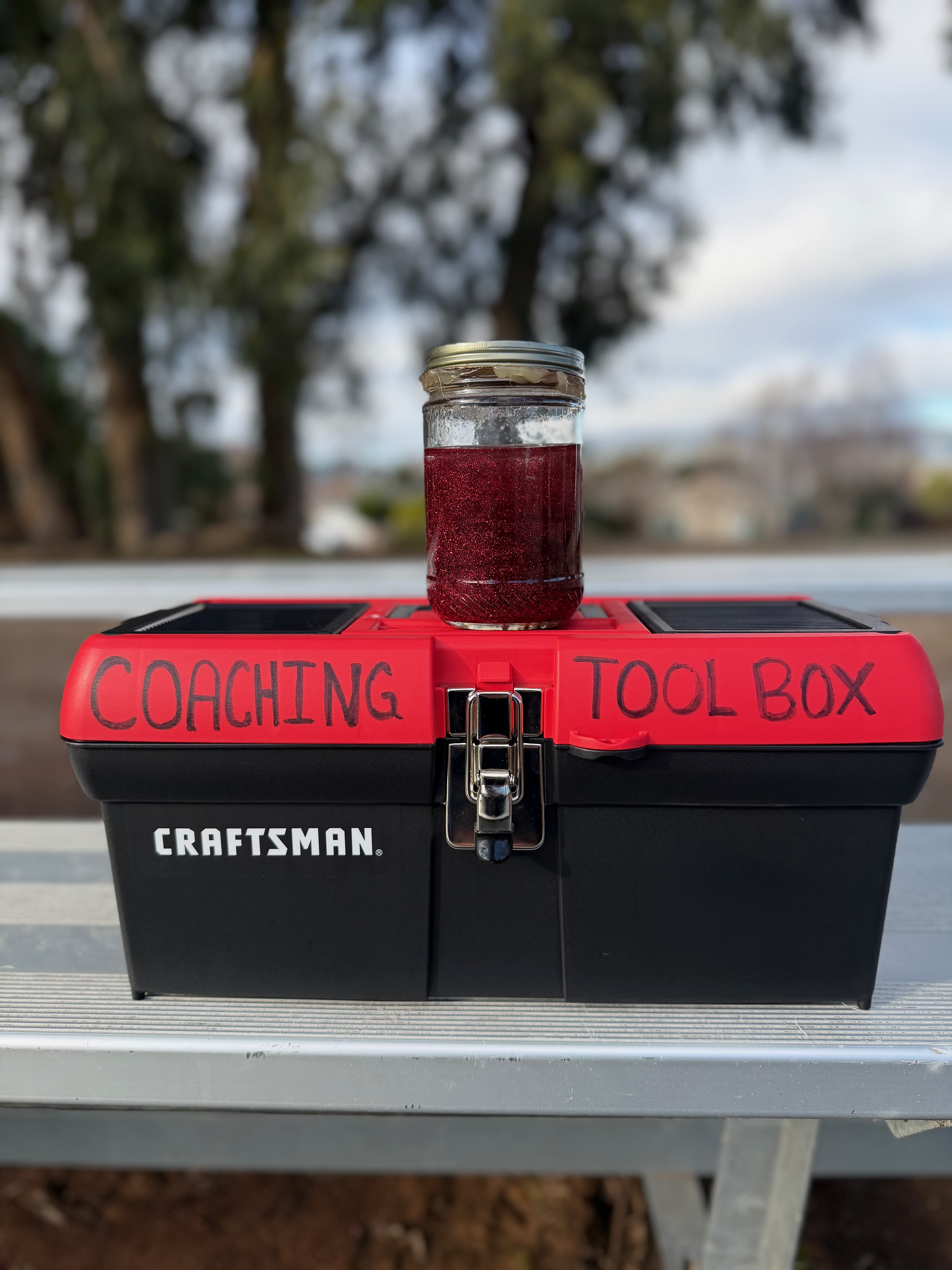
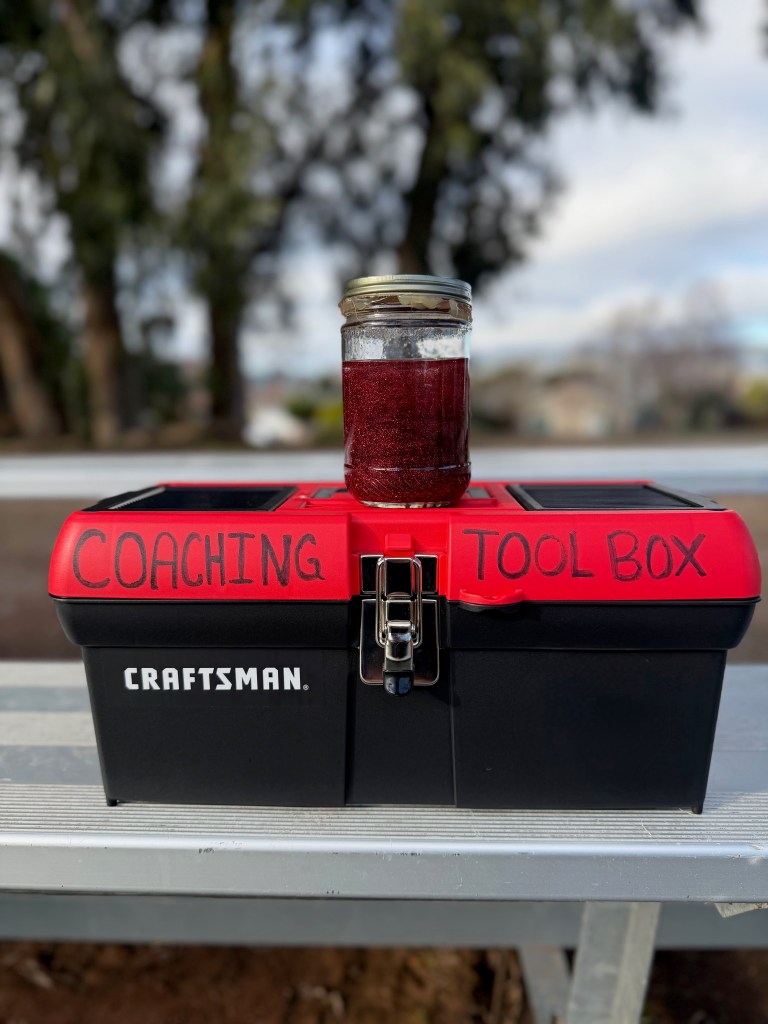
Imagine a jar filled with water and glitter. The glitter represents our emotions. When the jar is shaken, the glitter swirls rapidly in every direction. When a player has a big emotional response, like crying because their feelings are hurt, their thoughts and emotions swirl in much the same way. In this state, it’s hard to think clearly, listen, learn, communicate, or play sports.
With time, the glitter settles. And once it does, we’re able to re-engage more fully. For coaches, this is an important reminder: an upset player needs their glitter to settle before they can return to practice or a game at their full potential.
Below are steps coaches can take to help settle an athlete’s glitter.
Step 1: Check In
Pull the player aside for privacy and check in. Ask how they’re doing and what happened. When a player is crying or upset, this is a moment for presence, not fixing. Actively listen and let them share their experience.
If the player is very upset, gentle movement can help. A short walk, tapping, or shaking out their arms can help move emotional energy through the body and support regulation.
Step 2: Validate
Validate the player’s feelings with simple, supportive language:
- “I’m really sorry that happened.”
- “That really stinks. It doesn’t feel good when that happens.”
Validation helps players feel seen and supported. You’re not agreeing or assigning blame, you’re acknowledging their experience.
After checking in, allowing movement, and validating their feelings, the glitter often begins to settle. Give them the time and space they need. Emotional regulation looks different for everyone and can’t be rushed.
Step 3: Ask What They Need
Once the player is calmer, ask what support they need to return to the team. They might need a drink of water, a snack, or a few minutes to walk to the bathroom and back.
Some players may not be able to articulate what they need, so offering a few appropriate choices can help. I also make it clear that if they still don’t feel ready to continue, that’s okay. In that case, I’ll call their parents or guardians to pick them up so I can return my attention to the team.
Most middle and high school players choose to take a short break and return. Elementary-aged players are more likely to want parent support, which makes sense developmentally.
When a Teammate Is Involved: Closing the Loop
When hurt feelings involve another player, there are a few additional steps to support team culture and repair.
Step 4: Check In With the Other Player
There are always two sides to a story. To ensure everyone feels supported, check in with the other player as well, either at the same practice or later, depending on the situation.
If their glitter is also swirling, address it right away. When emotions are high on both sides, the truth is often somewhere in the middle. The coach’s role is to support both players and protect the emotional health of the team.
Step 5: Facilitate a Supportive Conversation
Sometimes a player will share that they’d like an apology. Repair is an essential part of healthy team culture. Learning how to apologize, take responsibility, and repair relationships is a life skill, and sports are a powerful place to practice it.
Coaches can model and guide this process by helping players take ownership, listen to one another, and move forward together.
Helping a player settle their glitter before returning to practice may take time, but it builds emotional safety and trust within the team. Emotionally regulated players are better able to learn, grow, and thrive, both on and off the field.