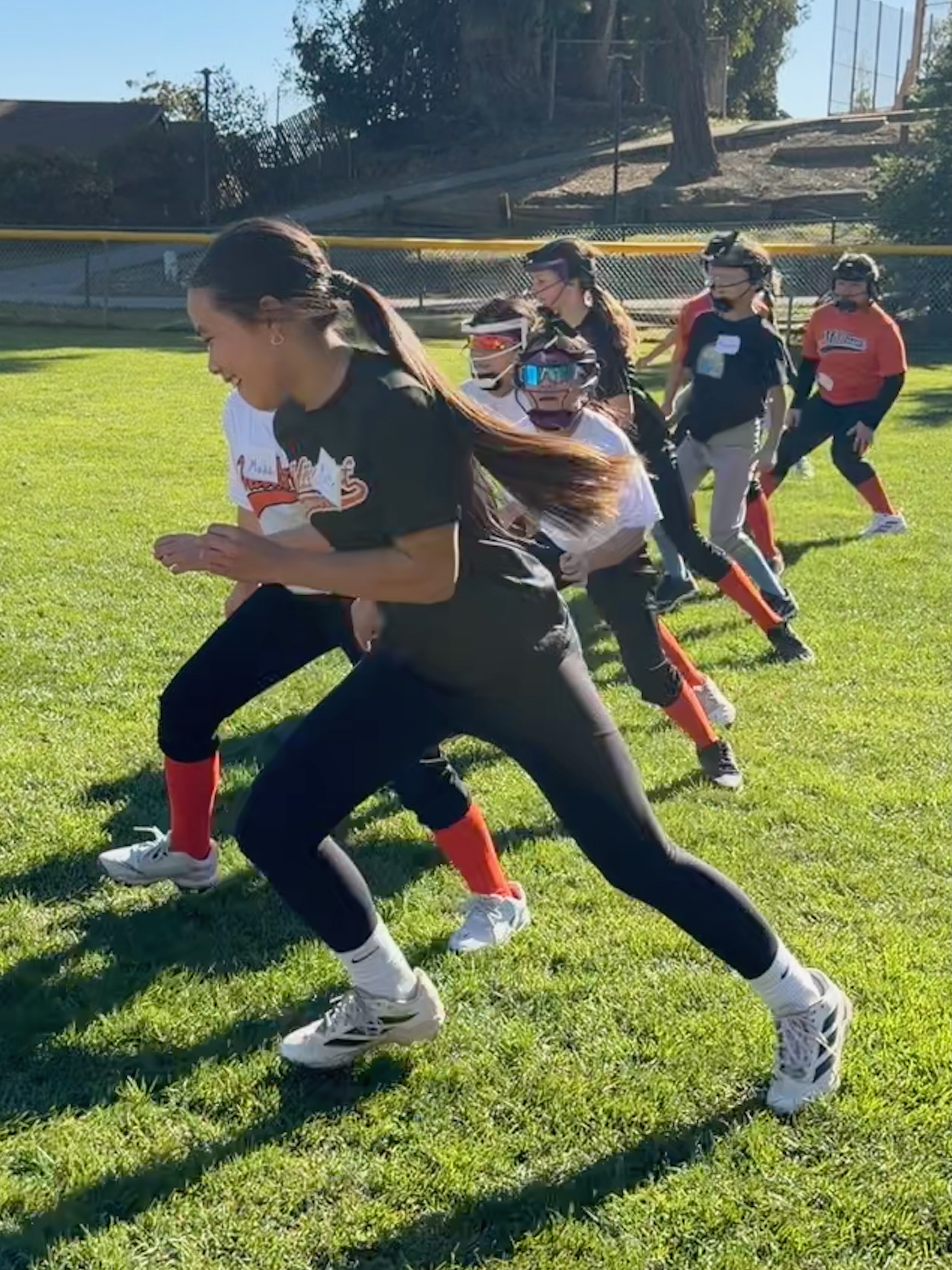
According to the Women’s Sports Foundation (WSF), girls drop out of sports at twice the rate of boys by age 14. While this statistic is often shared online, what’s less discussed is why it happens. Limited access plays a significant role, girls have 1.3 million fewer opportunities to participate on high school teams than boys (WSF). Social factors matter as well, including stigma around girls in sports and negative or unwelcoming team experiences. However, one critical piece is often overlooked: the physical changes girls experience during early adolescence. To better support girls in sport, we need to understand what is happening in their bodies at this age.
Puberty and the Female Athlete: What Changes Physically?
Puberty for girls can begin as early as age 8 and typically continues through age 13. During this time, their bodies change rapidly, and movements that once felt natural can suddenly feel awkward or uncomfortable. While growth spurts are often discussed, other important physical changes receive less attention, such as hormonal shifts linked to the menstrual cycle, increased joint mobility, and added stress on the knees due to widening hips. These changes can significantly affect how girls move and perform in sports.
When boys enter puberty, increases in muscle mass and strength often translate into improved athletic performance. Puberty is not as straightforward for girls. Without appropriate training, the physical changes they experience can actually make sports feel harder. As bones grow quickly and hips widen, muscle development often lags behind, leading to decreased strength and stability. As a result, movement patterns like running, jumping, and throwing, skills that were once automatic, can become more challenging. Without support, speed and jumping ability may decline, leaving young athletes feeling frustrated, confused, and less confident in a sport they once loved.
Injury Risk in Adolescent Female Athletes
In addition to performance challenges, puberty is also a time when injury risk increases for girls. According to research cited by Justin Kegley in Raising Unshakable Female Athletes, adolescent girls are more vulnerable to injury during this stage of development. Girls between the ages of 14 and 18 are four to six times more likely than boys to experience an ACL tear (Kegley, 28). Dr. Paul Gamble notes in Sports Parenting that nearly half of girls who sustain an ACL injury do not return to sports even after full recovery.
Why Strength Training for Girls Matters Before Age 14
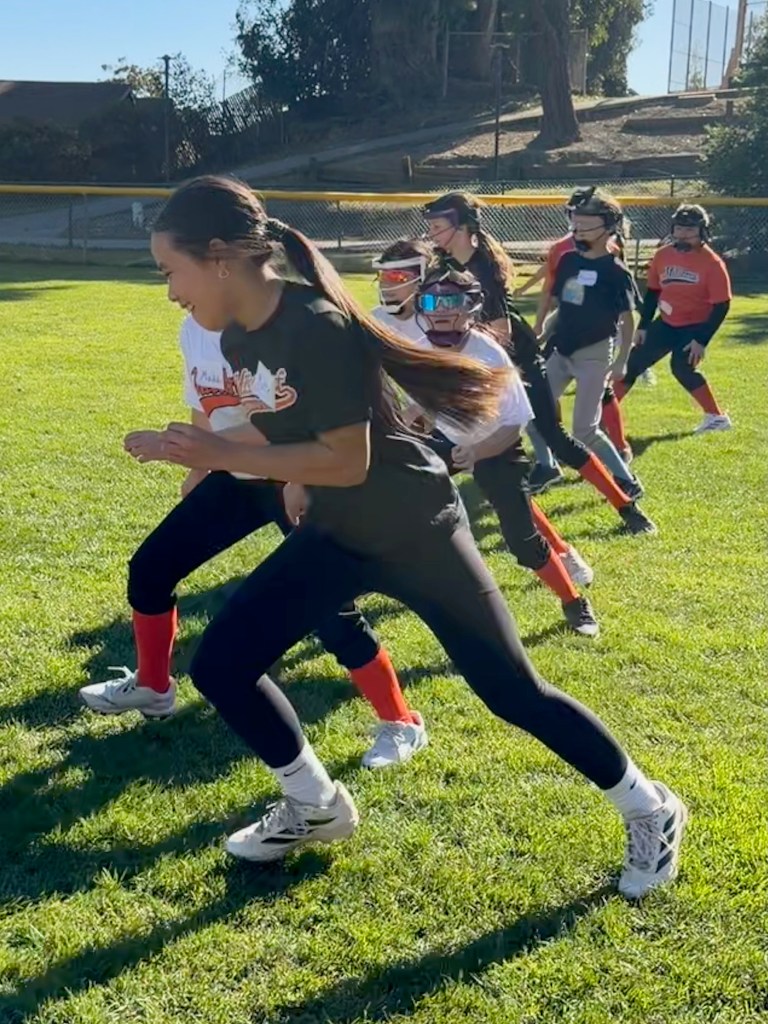
This is why movement training between the ages of 8 and 12 is so critical. During these years, female athletes can develop foundational skills that last a lifetime, including coordination, flexibility, body awareness, and proper running and throwing mechanics (Kegley, 34). It is time for coaches and parents to move away from the outdated belief that strength training is harmful for girls and instead apply the growing body of research that supports full-body athletic development. Proper training not only improves performance but also plays a key role in preventing serious, potentially career-ending injuries.
One of the most common season- or career-ending injuries for female athletes is an ACL tear, but it doesn’t have to be. Well-designed ACL prevention programs have been shown to significantly reduce injury risk when implemented correctly. Strength training for injury prevention is most effective when started around age 11 (Kegley, 30). While research suggests that beginning at age 14 may be less effective because movement patterns are already ingrained, starting later is still far better than not training at all.
The Problem in Youth Sports Development
Youth sports environments, especially for girls, must do more than teach sport-specific skills. They need to intentionally build strength and foundational movement skills. While club sports excel at teaching the technical demands of a sport, many girls are asked to perform these skills without the physical strength and body control required to do them safely.
Research over the past several years shows a decline in the teaching of fundamental athletic movements such as running, jumping, and changing direction (Gamble, 31). A major reason is the reduction or elimination of daily physical education in schools. As a result, many athletes enter youth and club sports with less overall athletic development. Studies show that while club athletes often demonstrate high proficiency in sport-specific skills, they rank lower in general motor skills and overall athleticism (Gamble, 31).
How Coaches and Parents Can Help Prevent Girls from Dropping Out of Sports
Invest in Coach Education
This information is critical, but it is not widely known by coaches or parents. If recreation leagues and youth sports organizations committed to ongoing coach education, coaches and trainers could play a key role in raising awareness about how to best support girls ages 11–18, both physically and emotionally. Most coaches are doing their best with the information they have, but many are not fully up to date on current research and best practices for training female athletes. Providing accessible, evidence-based resources can help bridge this gap.
Educate Girls About Their Bodies
Girls also deserve to understand what is happening in their own bodies. Open conversations about puberty, physical changes, and development help normalize what athletes are experiencing. When coaches, parents, and teams talk openly about these topics, girls gain knowledge, and with knowledge comes confidence and the ability to make healthy decisions that support their athletic goals.
Reformat Youth Sports Practices
Most youth sports practices focus heavily on sport-specific skills, but research shows clear gaps in overall athletic development. Coaches can help by intentionally building athleticism into practice and including skills like running, jumping, decelerating, changing direction, throwing, and kicking.
For younger athletes, this can look like playful movement through games such as tag, steal the bacon, or keep-away. Teaching basic plyometric and running mechanics, marching, hopping, and skipping, lays a foundation that many athletes surprisingly never develop. (You would be amazed how many high school athletes cannot skip.)
For older athletes, especially girls ages 11 and up, practices should include training that builds strength, power, and body control. This can be incorporated into warm-ups, ladder drills, bodyweight strength circuits, or time in the weight room. Injury prevention programs are proven to work, and when coaches don’t feel confident implementing them, they can partner with qualified trainers, facilities, or evidence-based online programs.
The Goal of Youth Sports
The ultimate goal of youth sports is not just winning games, it is developing healthy adults. Feeling confident and capable in movement at a young age supports lifelong physical activity. When girls are injured, undertrained, or uninformed about their bodies, they are more likely to disengage. It is the responsibility of coaches and parents to create environments that prioritize health, safety, confidence, and a lasting love of movement.