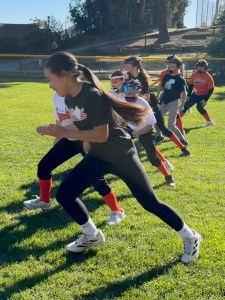
Last weekend, I had the privilege of attending the East Bay Youth Sports Symposium hosted by the Positive Coaching Alliance. The free event welcomed youth sports coaches from across disciplines, and the diversity of the audience beautifully reflected the Bay Area itself. It was a fulfilling day of connection, learning, and shared purpose.
The Keynote
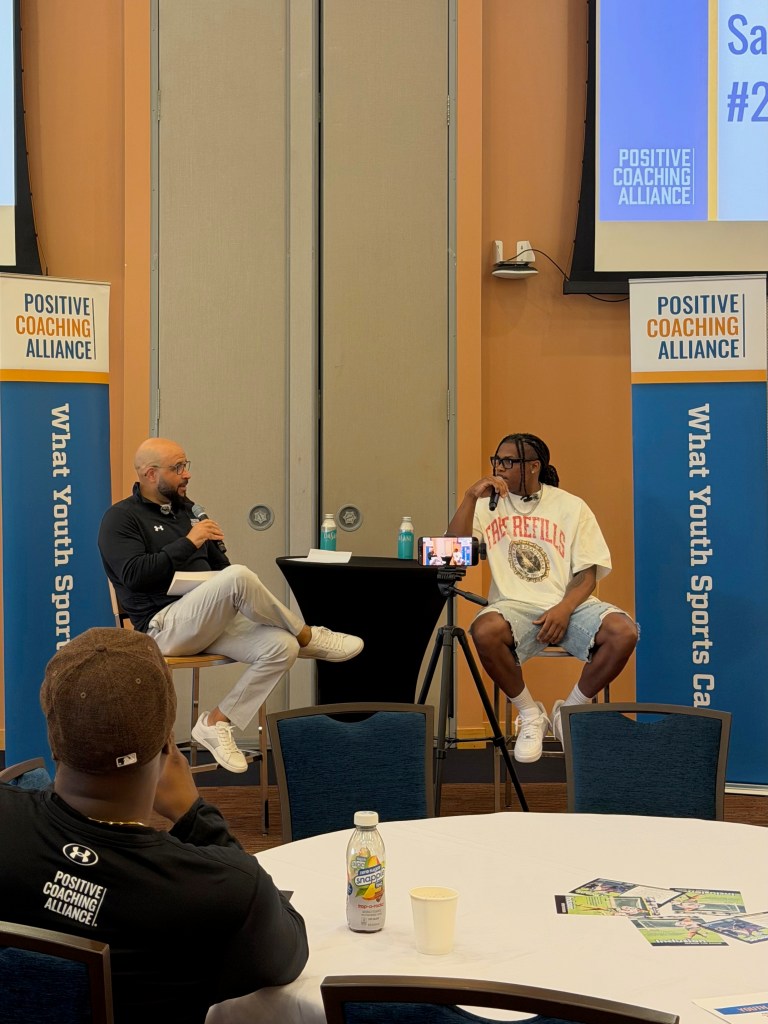
The keynote speaker was Ji’Ayir Brown of the San Francisco 49ers. He shared his journey through youth sports, describing what it was like growing up in a part of New Jersey where he didn’t see role models who had played football at the college or professional level. Hearing him speak about returning to his neighborhood to support the next generation of athletes was deeply inspiring. He understands the power of representation — and the responsibility that comes with it.
One part of Brown’s story especially stayed with me. In high school, a coach saw potential in him and pushed him to prioritize academics so he could be eligible to play in college. That detail matters. His trajectory didn’t shift because of talent alone, it shifted because one adult chose to believe in him.
That theme is universal. Research consistently shows that having at least one supportive, non-parent adult in a child’s life can serve as a protective factor against the mental health effects of trauma, including depression and addiction. Brown’s story resonated with many of us in the room. So many coaches I spoke with could point to a moment when someone believed in them before they fully believed in themselves.
Coaching With Empathy
Another session I attended, Coaching With Empathy, was led by author, coach, and educator Joe Thomas. He shared a line that immediately struck me:
“I don’t love sports. I love what sports taught me.”
That distinction feels deeply aligned with my work. I love teaching leadership, resilience, accountability, and confidence through sports.
Thomas also offered an important reframing: as youth coaches, we are coaching kids, by teaching sports skills. It’s easy to think our primary job is developing better athletes. But in reality, we are developing people. The person always comes before the player.
Throughout the day, the most common theme I heard from coaches was how much they care about making a difference. Many shared that they want to be the coach they wish they had growing up. Others spoke about providing a safe outlet for kids in their communities. The desire to positively impact young lives was unmistakable.
Thank you to the Positive Coaching Alliance for bringing us all together on a Saturday to add coaching tools to our toolboxes!